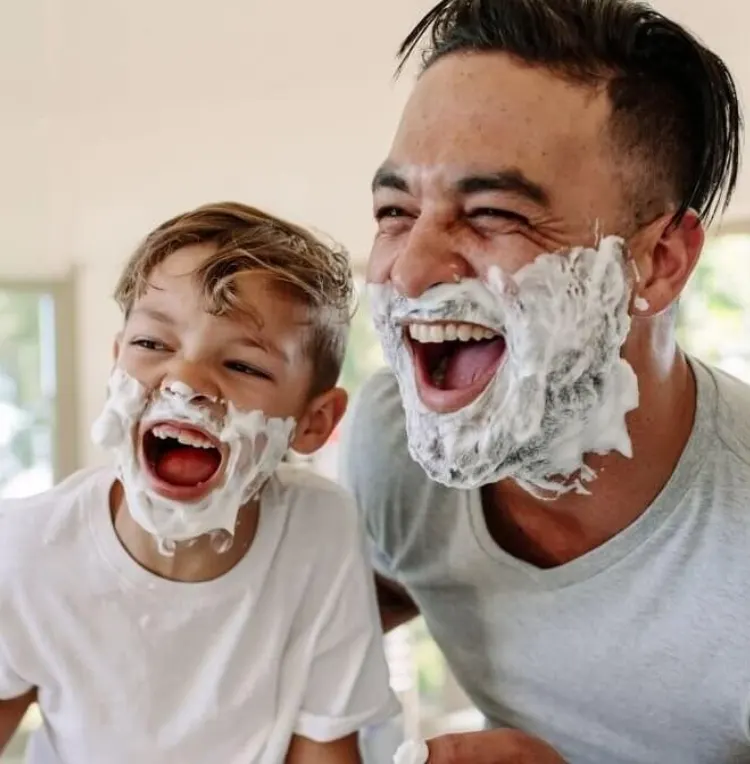
Shaving Foam vs Shaving Gel – Which is Better?

The answer has to do with your skin and facial hair. Feel your beard or stubble. These hairs are hard and rough to the touch. Your skin, on the other hand, is soft and movable. Every time you shave, almost 25,000 hairs are cut. The trick is to cut all those coarse hairs without irritating your skin, and that’s where shaving creams and gels come in.
4 Perks of Shaving Foam
- Hydrates: Shaving foam helps hydrate your beard hair, making it softer and easier to cut.
- Lubricates: By creating a layer between the razor and your skin, shaving foam helps reduce the chance of redness and razor burn, as well as nicks and cuts.
- Gives direction: Shaving through foam helps you see where you’ve already cut and where you still need to go.
- Refreshes: Using a shaving foam leaves your skin feeling fresh after you shave.
We know shaving foam and shaving gel make for a better and more comfortable shave, but what’s the difference between a foam and a gel?
The Difference Between Shaving Foam and Shaving Gel
| Shaving Foam | Shaving Gel |
|---|---|
| Instant light layer | Richer layer |
| Traditional lather | Thin and transparent |
| Airy | Increased lubrication |
| Wetter shave feeling | Razor glides across skin |
| Easy to rinse | More protection on your skin |
The effectiveness of shaving gels and foams for men depends on the user's skin type, shaving and hair. But don't worry we'll explain everything here so you can choose what works best for you.
Complete Guide to Identifying and Caring for Your Skin Type
Examine your clean face with a magnifying glass. Look in the mirror half an hour after washing and observe the changes. Wait another 30 minutes and repeat the assessment.
Dry skin
If you feel tightness even after an hour, you have dry skin. You need a razor that minimizes contact, in addition to prepping your face and applying a rich, moisturizing shaving cream or gel. Look for products that are alcohol-free, contain natural vitamins and oils and you will see the change.
Combination skin
If your forehead, nose, and chin are shiny, you have combination skin. So, you’re not prone to dryness, rashes, burns, or redness from shaving. Look for a lightweight formula, such as traditional shaving foams.
Oily skin
If your cheeks also shine, you have oily skin. This means that shaving can lead to the appearance of ingrown hairs. To avoid them, find a shaving foam that is very light, fresh and easy to rinse, preferably without added oils.
Sensitive skin
You can have normal, dry, oily or combination skin and, at the same time, be sensitive. The most common signs of sensitive skin include redness, irritation, and rashes.
Since shaving can cause ingrown hairs, burns or rashes, you need a good razor for sensitive skin and a shaving gel with a soothing and ultra-moisturizing effect.
Look for formulas that are free of alcohol, parabens, fragrances, or dyes, which could worsen your symptoms or cause itching.
The key ingredients for every skin type for all skin types
- Nourishing: Such as vitamins B3, B5 and E. They are common in moisturizers and aftershave balms, especially if they are intended for dry skin.
- Soothing: The most popular is aloe vera, but there are others, such as almond oil. They are usually found in shaving gels and aftershave lotions for combination, dry or sensitive skin.
- Moisturizers and lubricants: Such as shea butter or cocoa, coconut or argan oils. They help you retain and regain moisture during and after shaving. They also prevent chafing when shaving. You can find them in a quality shaving cream or gel for dry or sensitive skin.
How to choose the right shaving gel or foam for your skin type?
Before we move on to our tips, we want to give you a tip: shaving foams are light, airy and easy to rinse. Normally, they are perfect for combination or oily skin.
Shaving gels, on the other hand, are denser and rich in nutrients and moisturizers. With them, you won't even feel the passage of your razor. That's why they are better suited for more delicate, dry or sensitive skin. That being said, here are our top tips!
View the manufacturer's classification
Brands often identify their products for dry, combination, oily, and delicate skin. The best example is the GilletteLabs range, created specifically for skin protection. It includes shaving foam, shaving gel and shaving cream.
Don't stop there! Read the label carefully
Look for formulas with ingredients that help your skin and avoid those that don't work for you. If you have combination or oily skin, you need a moisturizing, but not greasy, product like GilletteLabs Shave Gel.
It is the best shaving gel for acne-prone skin because it softens and moisturizes the face without making it greasy, keeping pores clean and free of impurities.
Try to opt for more natural products
Especially for beard maintenance. A dense, healthy and well-groomed beard needs to be nourished.
Congratulations! You've learned everything you need to start using a men's shaving cream that's right for you. With it, you can say goodbye to irritation, redness and tightness. Plus, you'll look very good. Each face is unique. Choose the product that's right for your skin and your style of shaving. And remember, the best way to find out what's best for you is to try it out.
Frequently Asked Questions
Which is better, shaving gel or shaving foam?
Shaving gels and foams have the same function: lubricate the skin and moisturize it for a close shave without discomfort. The choice between one and the other depends on your skin and hair type.
What happens if you don't shave with cream?
Dry shaving can cause irritation, burns or ingrown hairs. Shaving without shaving cream (only with soap and water) can lead to dryness and tightness. It is best to use a shaving foam or gel.
How is shaving cream used?
Use a damp shaving brush and take some shaving cream. Apply it to the face in circular motions until it forms a sufficient layer.


